_edited.png)


Unlock the Secrets to Creating the Ultimate Neocaridina Shrimp Paradise in Your Home
- Luan Le
- May 3, 2025
- 4 min read
Creating a cozy home for Neocaridina shrimps can add a splash of color and personality to your aquarium. These lively little creatures, known for their vibrant hues and engaging behaviors, thrive in carefully managed environments. If you want your Neocaridina shrimp to thrive, this guide will break down everything you need for a successful tank setup.
Choosing the Right Tank Size
The first step in your Neocaridina shrimp journey is selecting the right tank size. While these tiny shrimp may not seem demanding, they do require enough space to thrive. A minimum of 5 gallons is recommended for beginners, allowing them to roam and establish territories. If you're ready for the next level, consider a 10-gallon tank or larger. This not only enhances water quality but also provides opportunities to add compatible aquatic friends.
For example, larger tanks maintain stable water parameters better than smaller ones, which can fluctuate quickly. Stability is key; shrimps can show signs of stress when conditions change too drastically.
Setting Up the Substrate
The substrate plays a pivotal role in your shrimp's habitat. Neocaridina shrimps love to forage, so a suitable substrate encourages natural behaviors. Use nutrient-rich options like fine gravel or specific aquarium soil. You can boost this setup by adding leaf litter, which not only enhances water quality but also serves as a food source.
Aim for a substrate depth of 1-2 inches. This allows shrimps to burrow and supports the growth of beneficial microorganisms that serve as a natural food source. For instance, a study showed that shrimp thrive better when they have access to a diverse range of organic materials in their substrate.
Water Parameters and Filtration
Next, let's discuss water parameters. Neocaridina shrimps prefer slightly acidic to neutral pH levels, ideally between 6.5 to 7.5. They also thrive at temperatures from 68°F to 78°F. Investing in a good aquarium heater and thermometer can help maintain the right conditions. A temperature drop of just a few degrees can stress your shrimps, leading to issues down the line.
For filtration, a sponge filter is an excellent option. It provides adequate filtration while being gentle and preventing unwanted suction on your delicate shrimp. This type of filter is also great for cultivating beneficial bacteria, which help in breaking down waste.
Decorating the Tank
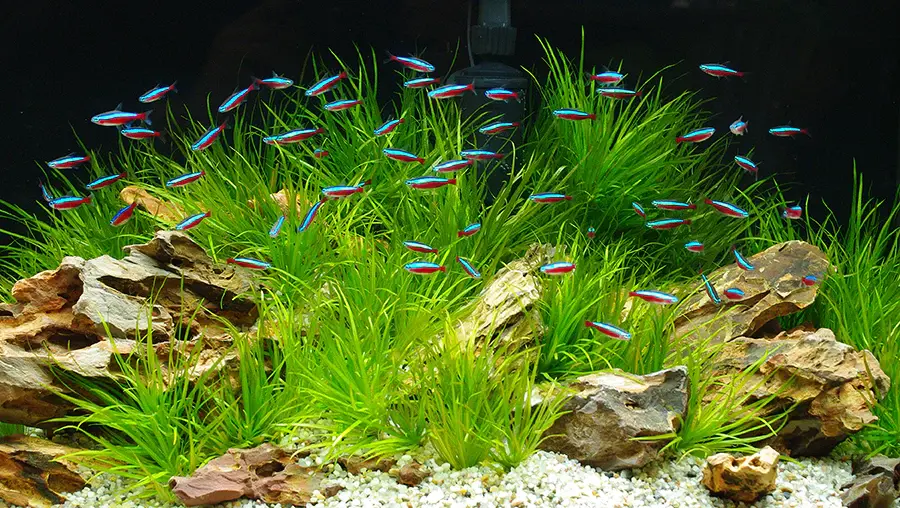
Creating a stimulating environment involves thoughtful decoration. Neocaridina shrimps enjoy hiding, so consider adding rocks, driftwood, and live plants. Java moss and Anubias are great choices that not only offer shelter but also help maintain water quality by absorbing nitrates.
When decorating, ensure there is enough open space for swimming while creating various nooks for exploration. Carefully check for any sharp edges that could harm your shrimp. For example, many shrimp keepers report that the addition of plants improves shrimp well-being, with some observing an up to 25% increase in shrimp activity levels.

Cycling the Tank
Before welcoming Neocaridina shrimps into their new environment, it’s vital to cycle your tank. Cycling establishes beneficial bacteria that convert toxic ammonia and nitrites into harmless nitrates. This process usually takes 4-6 weeks depending on various conditions.
To aid in cycling, you might use ammonia or even a hardier fish. Monitoring water parameters during this time is crucial. Adding live plants can further expedite the cycling process, enhancing your shrimp's habitat.
Choosing and Introducing Neocaridina Shrimps
Now that your tank is cycled and the water parameters are stable, it’s time to introduce your Neocaridina shrimps! Opt for a colorful mix—think cherry, blue, and yellow Neocaridina—to boost visual appeal. Aim for a group of at least 10-15 shrimps. This helps them feel secure and encourages social behavior.
When adding them, float the bag in the aquarium for 15-20 minutes to acclimate them to the temperature. Gradually mix a bit of tank water into the bag over an hour before releasing them into their new home.

Regular Maintenance
To keep your Neocaridina shrimp paradise thriving, regular maintenance is crucial. Perform weekly water tests to monitor pH, ammonia, nitrite, and nitrate levels. Regular water changes of about 10-20% per week help maintain water quality without stressing the shrimps.
Also, keep an eye on algae growth. A small amount can be beneficial, providing food for your shrimp. However, excessive algae can harm water quality. Consider adding bottom feeders or snails to help manage algae levels.
The Key to a Thriving Shrimp Habitat
Fostering a vibrant habitat for your Neocaridina shrimps requires attention to detail and consistent care. Every aspect—tank size, substrate, water conditions, decoration, and maintenance—plays a role in their well-being.
By creating an inviting environment with plenty of hiding spots and focusing on regular upkeep, you open the door to a captivating aquatic world right in your home. Enjoy observing the delightful behaviors and stunning colors of your Neocaridina shrimps; this enriching hobby will surely add joy to your life!


Comments